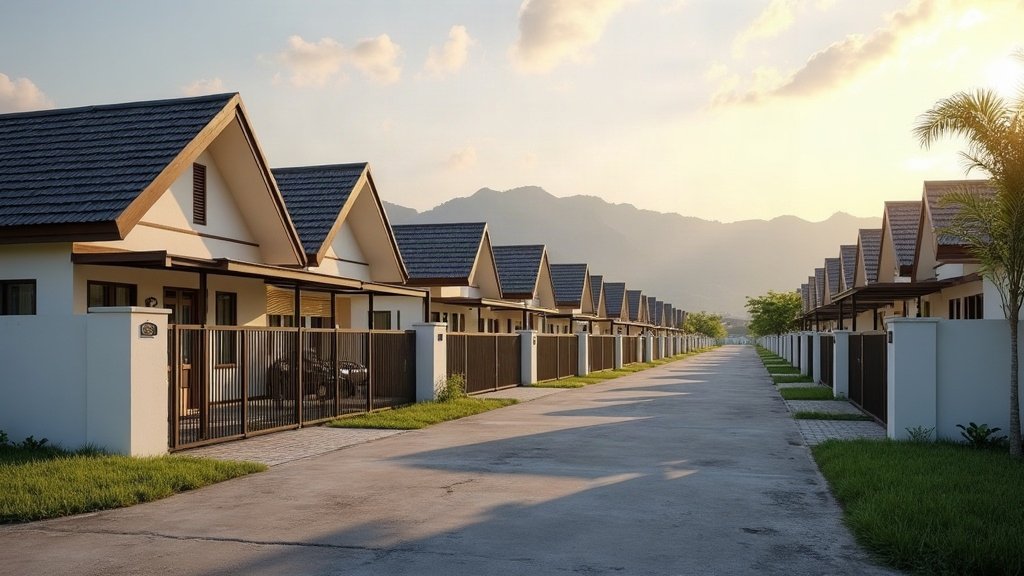
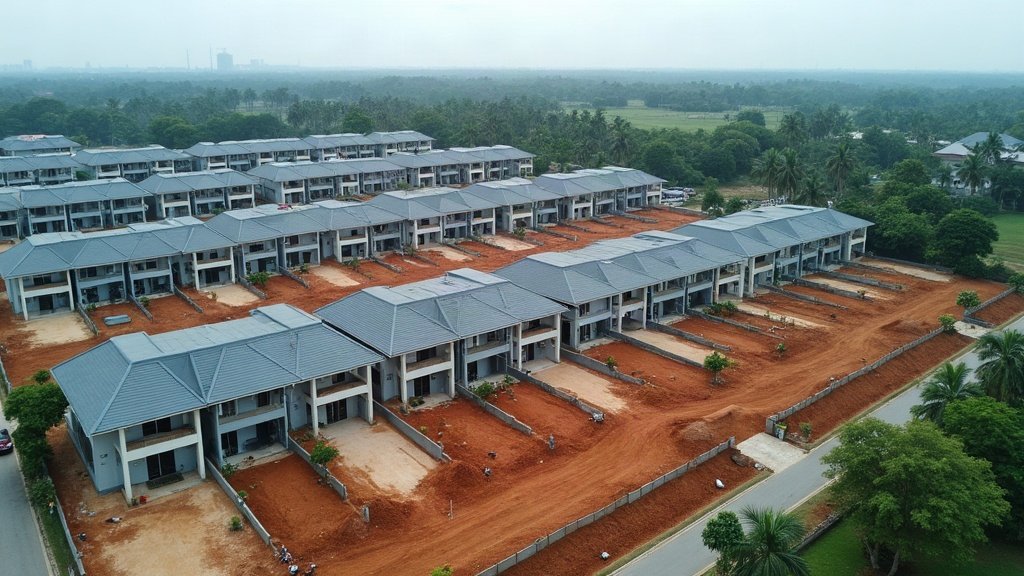
Malaysia had 33,094 completed homes worth RM17.78 billion still unsold in the first half of 2026, and the uncomfortable part is that the problem is no longer confined to luxury units.
The figures come from the National Property Information Centre's H1 2026 property-market data, cited in Finance Minister II Datuk Seri Amir Hamzah Azizan's 10 September 2026 speech at the launch of the report. The stock was up from 30,471 units worth RM17.73 billion in the preceding comparison period, while new residential launches in H1 2026 reached 27,832 units with a sales performance of 16.6%.
Rummah News' view is that the word "overhang" makes the issue sound like a temporary warehouse problem. It is more serious than that. If completed units are sitting unsold across affordable and mid-priced segments, the market is not merely rejecting penthouses. It is telling developers, councils and lenders that price tags, locations, layouts and financing are not lining up with the households they are supposed to serve.
The same official speech said homes priced at RM300,000 and below made up 51.6% of residential transactions in the first half. That matters because it shows there is still active demand at the entry level. The harder question is why a home can be labelled affordable and still fail to find a buyer after completion.
Serviced apartments show the pressure even more sharply. The completed but unsold stock in that segment rose to 23,375 units with a value of RM19.33 billion, and more than 55% of those units were priced between RM500,001 and RM1 million, according to the same MOF speech.
The New Straits Times reported on 28 September 2026 that Rehda president Datuk Zaini Yusoff has called for a special Home Ownership Campaign in 2027 to help absorb completed residential units with certificates of completion and compliance. The paper also cited Olive Tree Property Consultants founder Samuel Tan, who argued that loan access, location and project design are part of the mismatch, not just headline prices.
That is the useful test for buyers and owners watching new launches now. A discount can move some stock, but a poor commute, awkward layout or weak financing pool does not disappear because a campaign gives the project a new banner. For councils and developers, NAPIC's warning is plainer: planning approvals need to follow real demand in the location, not the memory of what sold in the last cycle.
Sources: Ministry of Finance speech, NAPIC H1 2026 report archive, New Straits Times.