Johor's next housing test is not whether developers can find land. It is whether nearly 115,000 incoming homes can land in the right districts as the JS-SEZ, data centres, logistics and the RTS Link pull jobs toward the south.
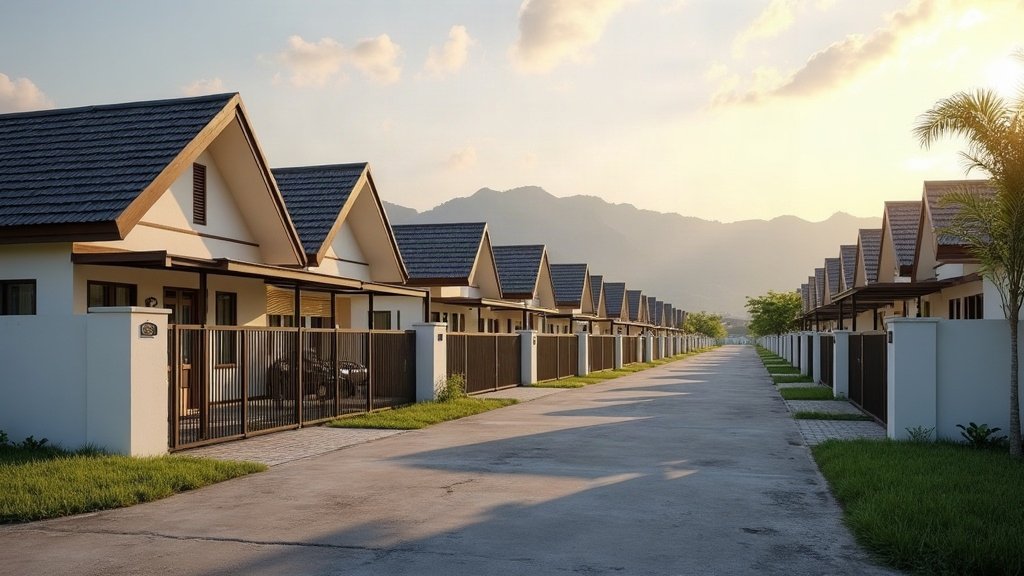
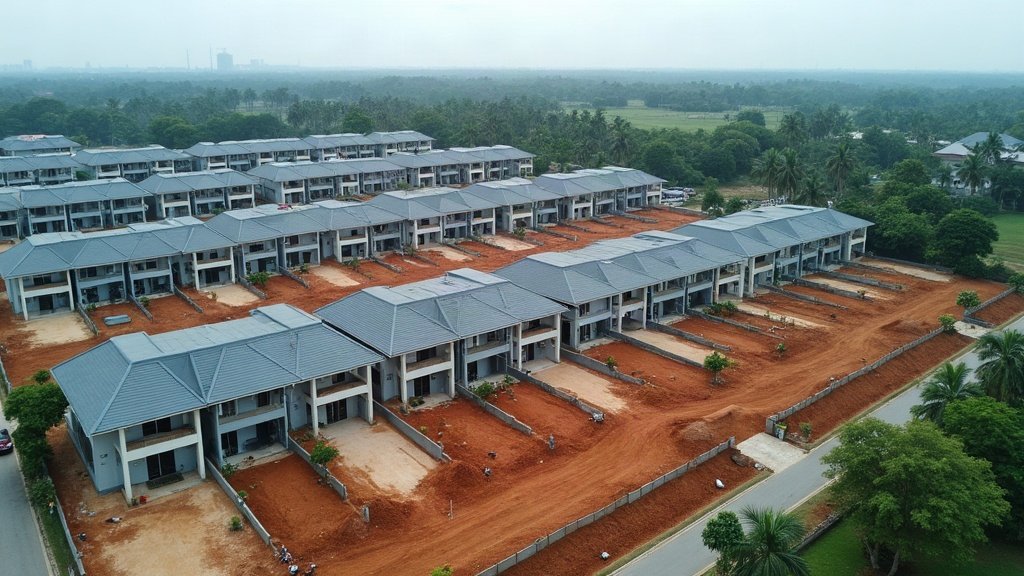
EdgeProp, citing its EPIQ data, reported that 609 residential projects are expected to be completed in Johor by 2030. About 507 of those are non-stratified residential projects, which means landed housing still dominates the pipeline. Johor Bahru carries the heaviest load: 244 projects, or about 40% of the total, with roughly 70,460 homes.
The simple average is useful. Across the state, the pipeline works out to about 189 homes per project. In Johor Bahru, it is closer to 289 homes per project. That tells buyers and agents two things at once: supply is broad across Johor, but the densest pressure remains near the jobs, crossings and infrastructure that people already watch.
The demand story is also more than a property-market slogan. EdgeProp tied the supply to the RTS Link, the Johor-Singapore Special Economic Zone and industrial growth in data centres, logistics and manufacturing. Johor Menteri Besar Datuk Onn Hafiz Ghazi said on Aug 17 that the state was targeting more than 200,000 new job opportunities by 2030 through Invest Johor and Mida, including more than 100,000 high-paying jobs under the JS-SEZ.
Population numbers make the supply question sharper. EdgeProp said Johor had 4.22 million people as at July 31, 2026, based on Department of Statistics Malaysia data, and projected a 6.3% rise to 4.49 million by 2030. The older official Johor Structure Plan 2030, gazetted in 2020, was more aggressive, planning around a state population above 6.3 million by the end of the decade.
That gap matters. If the lower population path holds, buyers may get more choice and developers will have to compete harder on price, location and delivery. If the jobs target turns into actual hiring at scale, the risk shifts to whether enough of the new stock is close to work nodes and transport, rather than merely counted as Johor supply.
For Johor Bahru, the most practical watch point is not the headline 115,000 homes. It is the mix. A large landed pipeline suits families and long-stay owner-occupiers, but the RTS and cross-border employment story can also create rental demand near stations, industrial parks and commuter corridors. Kulai, Senai and Sedenak are no longer just spillover names in that calculation, especially if data-centre and logistics hiring continues to concentrate there.
Sources: PlanMalaysia Johor Structure Plan 2030; Department of Statistics Malaysia population projections; EdgeProp.