 Chuah
ChuahIf you have been paying attention to the Malaysian property market in 2026, you have probably heard the hype. Everyone is obsessed with residential condos, RTS-driven spikes in Johor, or the latest luxury developments.
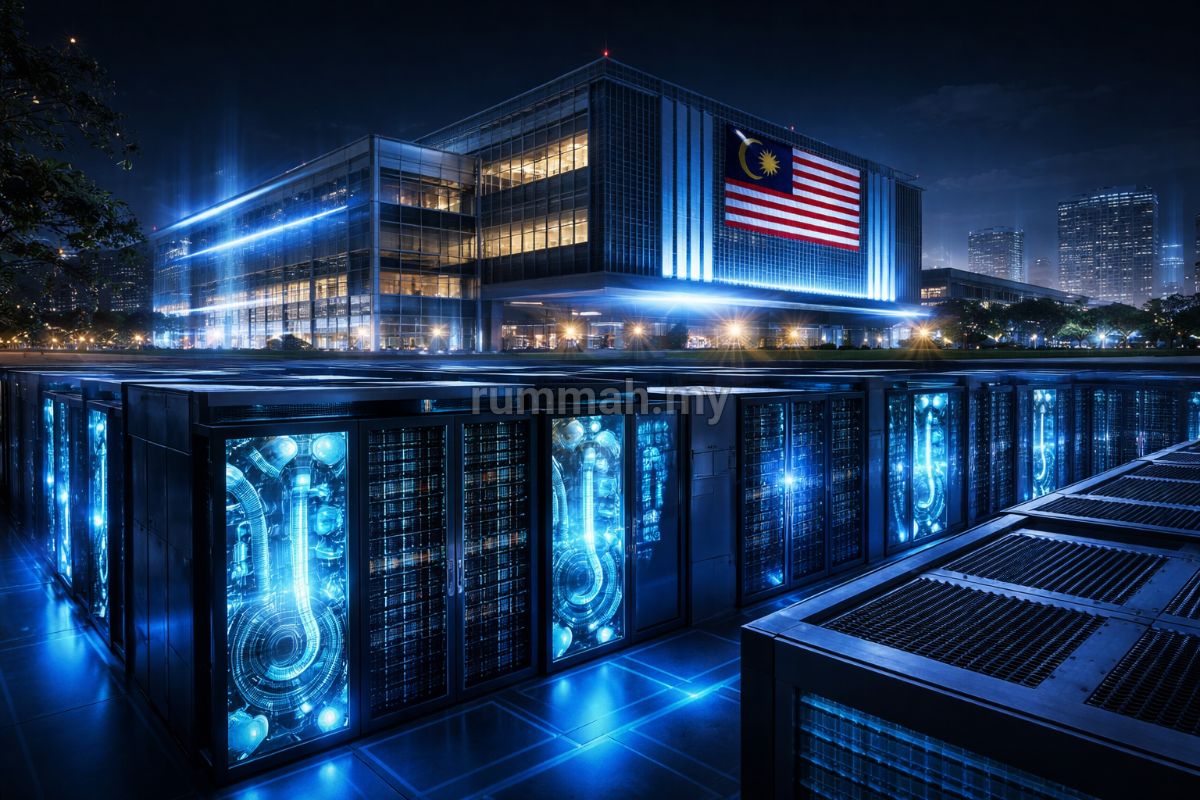
But while the masses are fighting over 800-square-foot apartments, the real smart money has quietly pivoted. Tech giants like Google and Microsoft are pouring tens of billions of Ringgit into Malaysia. They aren't buying penthouses; they are building massive, power-hungry Data Centres to fuel the global AI boom.
Here is the brutally honest truth about Malaysia’s industrial property market right now—and how everyday investors can ride the wave without needing a billion-Ringgit budget.
1. The Johor Bottleneck (Why The Big Boys Are Looking North)
For the past few years, Southern Johor and Cyberjaya were the undisputed kings of the data centre boom. But success has a price.
Prime industrial land in these southern hubs has skyrocketed, and we are now hitting a brutal reality check: infrastructure limits. Data centres are incredibly thirsty for water and power. As of early 2026, the government has started cracking down, actively curbing approvals for non-AI data centres to protect the power grid and water supply. Johor has even rejected up to 30% of new applications recently due to these constraints.
The Shift: Because of these southern bottlenecks, the big players are adopting a "multi-nodal" strategy. They are hunting for established industrial ecosystems with reliable infrastructure. This is driving massive new demand into the Northern region—specifically around established tech hubs like Batu Kawan and the broader Penang-Kedah industrial corridor.
2. You Don't Need to Build a Data Centre to Make Money
You might be thinking, "I don't have RM5 billion to build a hyperscale cloud facility. How does this help me?"
You don't need to own the gold mine; you just need to sell the shovels. A massive data centre doesn't operate in a vacuum. It requires a massive supporting ecosystem:
High-tech equipment manufacturers.
Precision engineering firms.
Specialised logistics and warehouse operators.
Third-party maintenance contractors.
All of these supporting businesses need space. They are flooding into smaller, SME-focused industrial parks and light industrial areas (like IKS zones) that surround the major tech hubs.
3. The Death of the Traditional Office
The data centre and advanced manufacturing boom is completely changing where white-collar work happens.
Supporting businesses—tech teams, legal consultants, equipment suppliers, and accounting firms—no longer want to be stuck in a congested city-centre skyscraper. They want to be close to the action. We are seeing a massive surge in demand for decentralised office spaces, business parks, and flex-space commercial units located right next to major industrial zones.
4. The "Ghost Costs" of Industrial Investment
Before you rush out to buy an industrial warehouse, be warned: commercial and industrial real estate is a different beast compared to residential. Here are the hidden differences you need to prepare for:
Tighter Financing Margins: While residential properties often enjoy up to 90% financing for a first or second home, commercial and industrial loans are usually capped between 70% to 85%. You will need substantially more cash upfront.
Higher Utility Tariffs: You are not paying standard residential rates anymore. Commercial and industrial electricity and water tariffs are significantly higher (and constantly rising).
Different Tenant Expectations: You aren't dealing with families looking for nice plaster ceilings. Corporate tenants looking for a 3-storey office or warehouse setup—like the ones in IKS Simpang Ampat—demand specific structural requirements. You need to factor in floor loading capacity, 3-phase power upgrades, and heavy vehicle access.
The Bottom Line
The AI and data centre boom is the most significant structural shift in Malaysian real estate in a decade. While the residential market deals with affordability issues and mis-matched supply, the industrial sector is experiencing a legitimate, demand-driven supercycle.
If you are only looking at residential properties, you are only seeing half the board.