 Chris Huah
In 2026, industrial real estate is undergoing a major shift. The rise of automation, smart manufacturing, and Industry 4.0 is pushing companies to move away from traditional speculative buildings toward Built-to-Suit (BTS) facilities.
1. What is the difference?
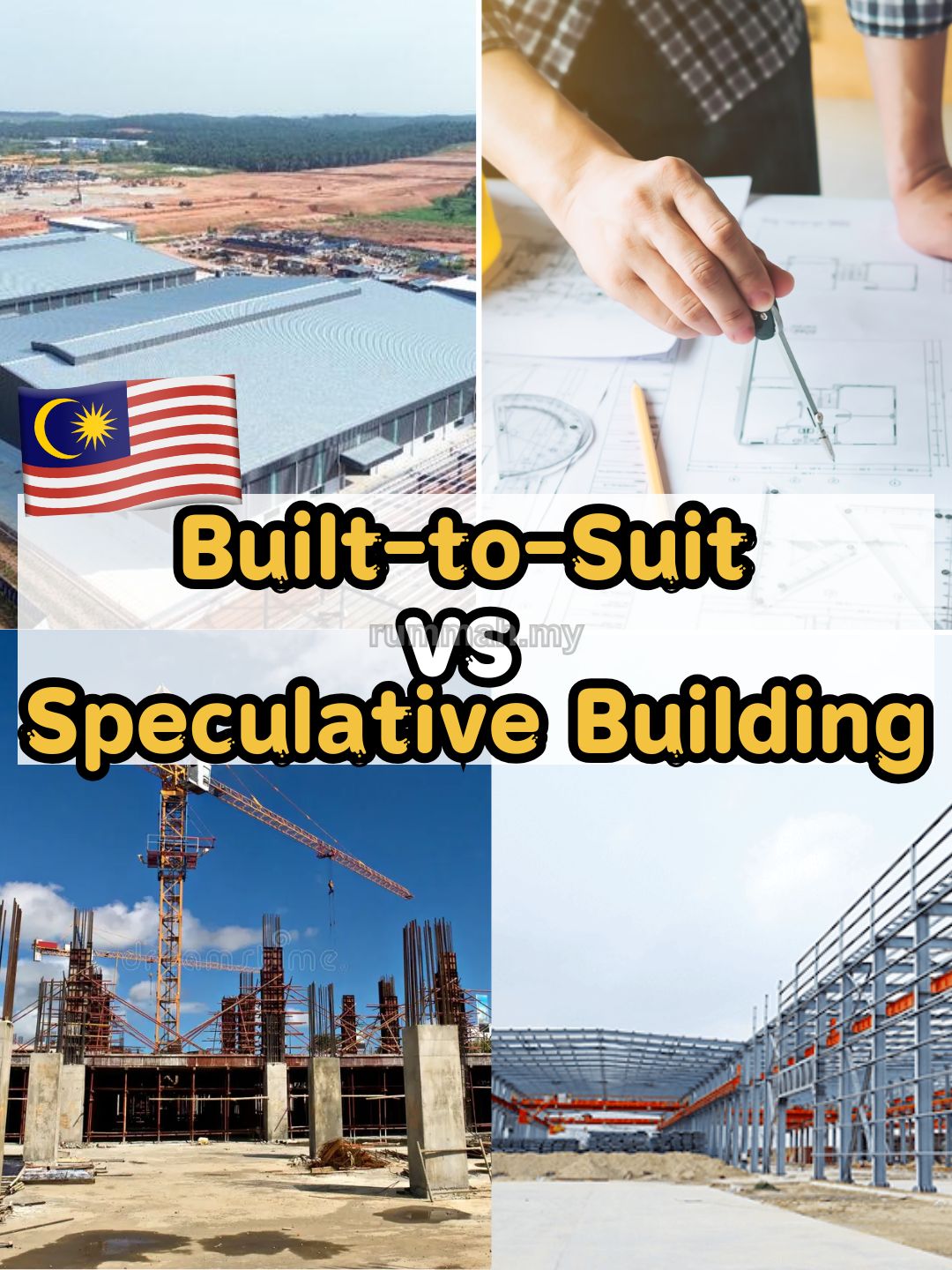
Built-to-Suit (BTS): Custom-designed facilities developed specifically for a tenant’s operational needs, from layout to technology integration [6].
Speculative Buildings: Pre-built spaces developed without a specific tenant, offering faster occupancy but limited customization.
2. Why BTS is rising in 2026
Automation-ready design: BTS supports robotics, AI systems, and optimized workflows.
Efficiency gains: Tailored layouts reduce operational inefficiencies.
Future-proofing: Companies integrate IoT, data centers, and ESG features from day one.
Brand & compliance needs: Specific industries (semiconductor, logistics, pharma) require strict design standards.
3. Limitations of speculative buildings
Fixed layouts often require costly retrofitting
Not ideal for advanced manufacturing or high-tech logistics
Lower long-term operational efficiency
4. Investor perspective
BTS offers long-term lease security and stable returns
Spec buildings still work for SMEs needing quick space
Conclusion
As Industry 4.0 accelerates, BTS is becoming the preferred strategy—delivering precision, scalability, and competitive advantage, while speculative developments gradually shift toward more flexible hybrid models.