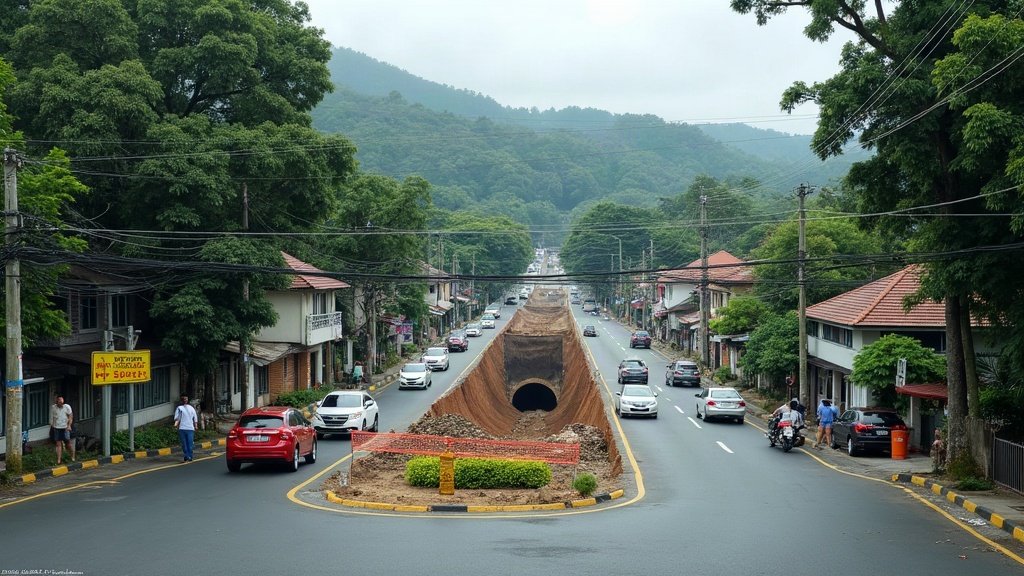
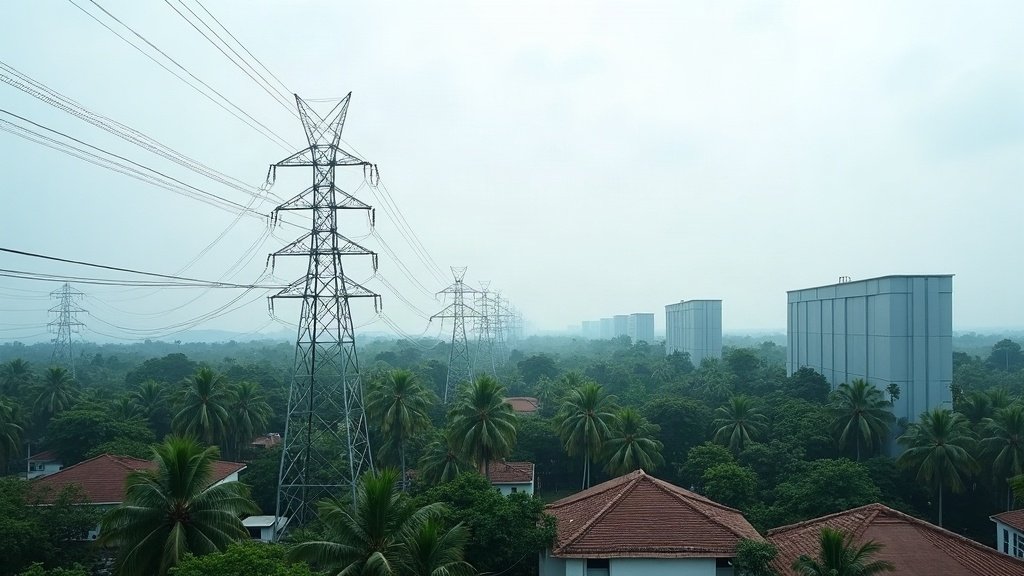
Klang Valley homebuyers and renters in the western corridor finally have their long-awaited answer: the LRT3 Shah Alam Line is operationally ready, with passenger services set to begin by the end of June 2026 after a nine-year build. Transport Minister Anthony Loke confirmed trial runs had cleared smoothly, paving the way for an opening that reshapes property demand from Bandar Utama all the way to Johan Setia.
What is launching, and when
Loke told reporters on 15 June 2026 that the 37.8 km LRT3 Shah Alam Line had cleared its final functional and free-run tests, with the official launch date expected within the following two weeks. The line carries 25 stations connecting Bandar Utama in Petaling Jaya to Johan Setia in Klang, anchored by interchanges at Bandar Utama (linking to the Kajang MRT line) and Glenmarie (linking to the Kelana Jaya LRT), according to The Star.
Built at a project cost of RM21.93 billion and operated by Rapid Rail under Prasarana's Klang Valley Integrated Transit System, the line is expected to benefit more than two million residents along the western corridor, per coverage from The Edge Malaysia. Initial daily ridership is forecast at roughly 67,000 commuters, rising toward 100,000 by 2030, with knock-on effects of around 7% additional passenger volumes at connecting MRT Kajang and LRT Kelana Jaya stations flowing into the wider network.
Fares are confirmed for end-to-end journeys. A full ride from Bandar Utama to Johan Setia is priced at RM4.90 for cash, RM4.30 for cashless Touch 'n Go-style transactions, and RM2.40 for concession card holders, according to fare data summarised by Malay Mail. The alignment threads through Glenmarie 2, Stadium Shah Alam, Dato' Menteri, UiTM Shah Alam, Bandar Baru Klang, Pasar Klang and Bandar Bukit Tinggi - names that will be familiar to anyone scanning subsale listings in the corridor.
Why it matters for Klang Valley homebuyers and renters
For a region that has, for nearly a decade, watched the MRT Kajang and MRT Putrajaya lines reshape buyer behaviour in the eastern and southern Klang Valley, the LRT3 finally closes the loop. Shah Alam, Klang and the inner-west of Petaling Jaya have historically been priced as drive-only suburbs. From end-June, much of that catchment becomes a one-seat ride into Bandar Utama and, via interchange, into the heart of Kuala Lumpur - a structural change that ripples through both the sale and rental markets.
The most direct beneficiaries are renters and entry-level buyers in Shah Alam and Klang, where landed homes still trade at meaningful discounts to the MRT corridors. Subsale terrace houses around Bandar Baru Klang and Bandar Bukit Tinggi have changed hands between RM450,000 and RM700,000 in recent quarters - well below comparable transit-served stock in Sungai Buloh or Kajang. Once Stadium Shah Alam and Pasar Klang stations go live, the rental-yield calculation for landlords and the commute math for tenants shift overnight.
For homeowners already sitting on stock near future LRT3 stations, the picture is more mixed. Older condo blocks such as Pelangi Utama in Bandar Utama - which transacted between RM525,000 and RM680,000 a decade ago and now change hands between RM398,000 and RM500,000 - have, according to The Edge Malaysia's earlier corridor analysis, already priced in much of the anticipation. The bigger forward gains likely sit further down the line, in newer and lower-priced stock around Stadium Shah Alam, Kerjaya and Dato' Menteri, where transit-oriented developments are being planned by Selangor-focused developers.
For first-home buyers using EPF Akaun Sejahtera withdrawals or the Skim Jaminan Kredit Perumahan (SJKP), the line also widens the affordable map. A 900 sq ft serviced apartment near Pasar Klang at sub-RM400,000 finally competes head-on with KL-fringe stock, because the commute disadvantage that long depressed Klang values is materially smaller from the day the LRT3 opens.
Editorial view: a delayed line, but a structural reset
It would be easy to read the LRT3 as a story about delay. Construction began in 2017. Completion slipped repeatedly across two administrations, with signalling and integrated train-control faults driving much of the lag. Setia Utama LRT3, the project unit under Malaysian Resources Corp Bhd (MRCB), has been paying delay compensation of RM2.73 million per day, with accumulated penalties reported at RM474.8 million, detailed in paultan.org reporting.
But for buyers, the more important framing is structural. A new Klang Valley rail line historically adds a 10% to 20% price premium to walkable stock relative to comparable inland properties - a pattern documented along the Kajang Line and the Kelana Jaya Line extension. With overhang in the Klang Valley already easing - NAPIC data cited by PropertyGuru shows a 12% drop in residential overhang as at April 2026 - buyers who waited out construction now face a tightening, not loosening, supply picture along the new alignment. Rummah News expects the strongest near-term price reactions in 1,000-1,200 sq ft mid-range condos within a 600-metre walk of confirmed stations, particularly in Shah Alam Section 13, Glenmarie and the Klang town centre.
Practical takeaway for buyers and renters
- If you are house-hunting in Shah Alam, Klang or inner-west Petaling Jaya, prioritise listings within a 10-minute walk of confirmed LRT3 stations - Glenmarie 2, Stadium Shah Alam, Dato' Menteri, Bandar Baru Klang, Pasar Klang and Bandar Bukit Tinggi are the early names to watch.
- Use Rummah's loan qualifier to model how a cashless RM4.30 fare and a cheaper subsale price compare against a more central, higher-priced unit on your monthly budget.
- Renters in Bangsar or PJ paying inflated rents can now seriously consider Stadium Shah Alam, Glenmarie 2 or UiTM Shah Alam catchments, where condo rentals run materially lower for similar floor area, and the commute becomes manageable rather than punitive.
- Check completed transactions, not asking prices. Browse Rummah's transaction history for true LRT3-corridor pricing before paying a "transit premium" that may already be partly baked into the headline number.
- Investors should weigh fare math against rental math: a RM4.30 cashless fare each way works out to roughly RM189 a month for a working tenant - a real saving on petrol, parking and tolls that supports both rental demand and landlord pricing power.
- Plan to use the line during off-peak hours in the first month - early operations will run alongside continued fine-tuning, and any free-ride or promotional fares will be announced by Rapid KL closer to the launch date.
What to watch next
The official launch date is expected before end-June 2026, with Rapid KL already teasing the opening on its social channels, per paultan.org. Once stations are live, watch for fresh launches around Stadium Shah Alam and Dato' Menteri - these will set the pricing benchmark for the corridor's next cycle. For buyers, the patient call is to track Selangor listings through the third quarter as the market digests the new rail map, and to compare offers against RPGT and stamp duty estimates before any subsale negotiation.