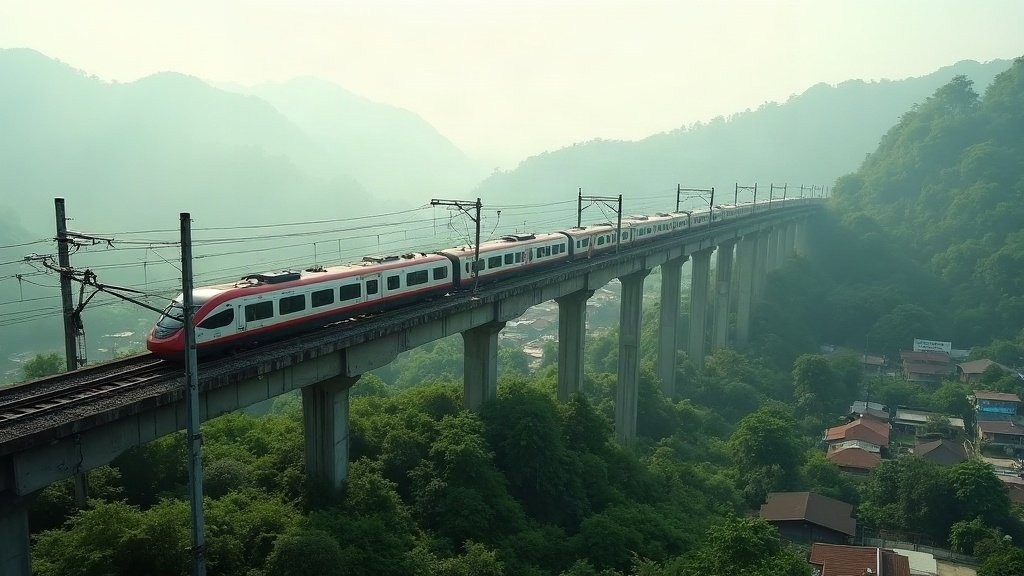
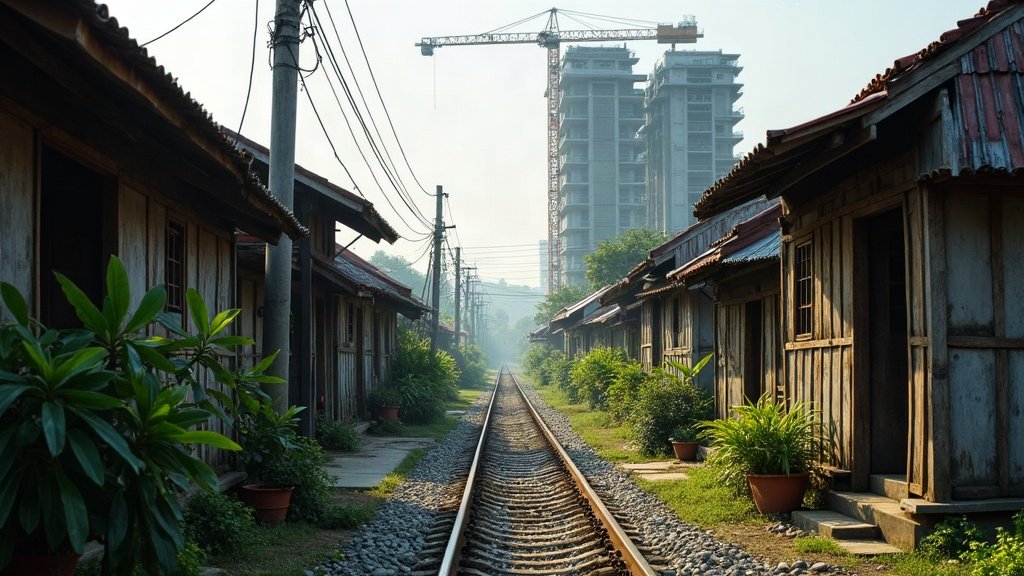
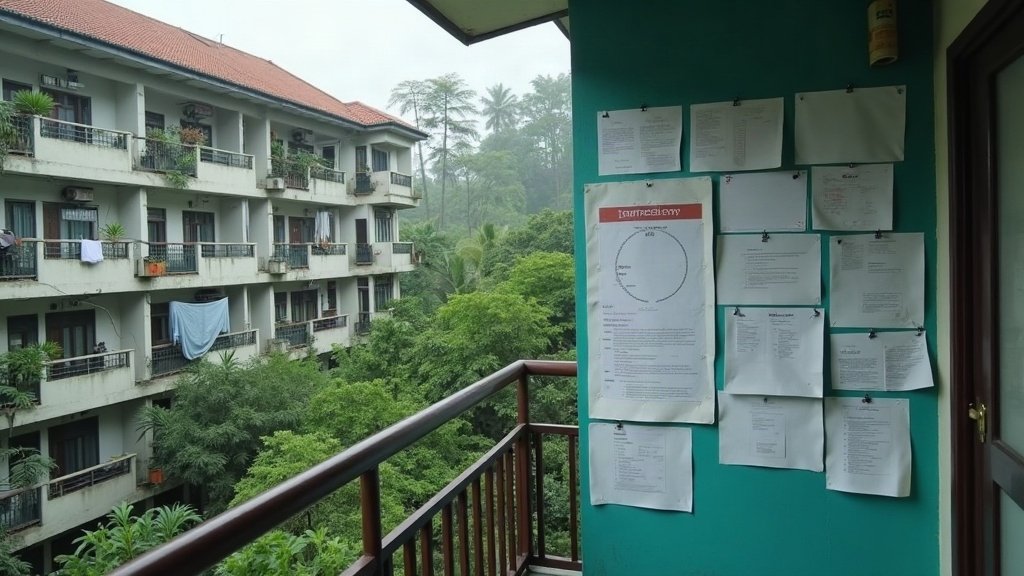
Malaysian homebuyers stuck with stalled developments have rare good news from Putrajaya: the Ministry of Housing and Local Government (KPKT) confirms 1,576 sick and abandoned private housing projects - covering 188,525 units and RM148.21 billion in gross development value - have been revived since 2023, Housing Minister Nga Kor Ming said on 6 June 2026.
The numbers behind the revival
The figures come from KPKT's Special Task Force on Sick and Abandoned Private Housing Projects (Tugasan Khas), which Nga said had cleared 1,576 cases between 2023 and May 2026. Of that total, 131 "sick" projects were restored to "active" status, 1,410 sick projects were physically completed and issued their Certificate of Completion and Compliance (CCC), and 35 fully "abandoned" projects were revived - either through completion by a white-knight developer or through buyer settlement plans, per the official tally cited by Malay Mail.
The headline rescue case remains the former M101 Skywheel in Kuala Lumpur, which stalled during the pandemic and has since been rebranded as KL360 @ Menara GD after GD Properties stepped in as the white-knight contractor. As at end-February 2026, three jurisdictions - Melaka, Perlis and the Federal Territory of Putrajaya - recorded zero abandoned housing projects on their books, according to EdgeProp.
That progress sits alongside an ongoing tightening of enforcement. KPKT has continued to expand its developer blacklist - 107 housing projects were still classified as abandoned at the close of 2025 - and developers responsible can be barred from applying for new housing development licences, with their Housing Development Account (HDA) frozen, per coverage from the New Straits Times. The Star separately reported a steady drop in delayed and sick private housing projects as at 30 April 2026, with the ministry attributing the trend to closer site-level monitoring and earlier escalation triggers.
Why it matters for Malaysian buyers and SPA signers
If you are buying property under construction in Malaysia, the practical risk you carry is delivery risk: the chance that your developer cannot finish what they sold you. The revival of 1,576 projects covering 188,525 units is, by any read, evidence that the regulator now has both the muscle and the institutional memory to push stuck projects across the finish line. But it also reminds the market that the risk is real, and that it is concentrated in specific developers and segments.
Sub-sale buyers benefit indirectly. As blacklisted developers are pushed out and white-knight rescues complete, supply that once sat as "ghost" inventory comes back to the live market. That has implications both for prices in the immediate area - neighbourhoods around revived projects sometimes see vacancy and asking prices fall in the short term - and for buyer confidence in newer phases by the same developers. For buyers eyeing phase 2 or 3 of a township, the track record of phase 1 delivery is more diagnostic than the brochure.
Renters near revived sites should also pay attention. Completed projects that finally receive CCC will release new rental stock, often at competitive levels because absentee owners need to start collecting yield after years of waiting. For first-time buyers, the longer-term takeaway is simpler still: treat developer track record as a hard underwriting line, not a marketing footnote.
Editorial: the OTP clause could change SPA negotiations
KPKT is also studying an "Option to Purchase" (OTP) mechanism that would allow buyers to formally withdraw before signing the Sale and Purchase Agreement, with limited downside. The proposal, detailed in EdgeProp's mid-2026 coverage, would import a familiar concept from Singapore and Hong Kong into the Malaysian SPA framework. If adopted, an OTP clause would give a buyer a window after booking - typically two to three weeks - during which they can withdraw if the developer's financial standing or project disclosures raise red flags.
For a market that has, for decades, asked buyers to commit at booking with little real exit, this is a meaningful shift. It is not yet law, and developer associations are likely to push back on the exit window's length and forfeiture terms. But the direction of policy is clear: the burden of due diligence is being slowly rebalanced toward the developer and away from the buyer paying a 10% downpayment on a promise.
Practical takeaway: how to protect yourself before signing
- Before signing any SPA, check whether the developer is currently on KPKT's blacklist. A clean Housing Development Account (HDA) and an active developer licence (DL) are baseline checks, not bonuses.
- Ask the developer to show the project's current Advertising and Sale Permit (APDL) number and its expiry. An APDL that lapsed and was renewed multiple times is a yellow flag worth interrogating.
- Use Rummah's loan qualifier to confirm affordability with realistic interest rates and conservative completion timelines, and pre-budget for late-completion costs such as bridging rent or extended interest servicing.
- Walk the site, not just the showroom. Active construction with multiple cranes and visible site activity matters more than the polish of the showroom or scale model.
- For projects you suspect are stalled, lodge a complaint with KPKT's e-complaint portal early - buyers grouped together have more leverage in either pushing CCC completion or negotiating with a white-knight contractor.
- If a project is officially abandoned, claims under RM50,000 can go through the Tribunal for Homebuyer Claims, which is faster and cheaper than the civil courts. Larger or more complex claims may justify group legal action.
What to watch next
The 1,576-project tally will be updated in KPKT's next quarterly statement, and the residual 107 abandoned cases are likely to dominate the next round of blacklisting and rescue announcements. The OTP clause is still in study; if a public consultation paper emerges, expect REHDA and consumer groups to take divergent positions on the exit window. For buyers in the market today, the most useful response is unsentimental: check completed transactions, verify developer credentials before booking, and lean toward subsale or completed stock - including options across Selangor and the wider Klang Valley - where delivery risk is already settled. The era of buying off-plan and hoping is, slowly, becoming harder for delinquent developers to perpetuate.